Hospital Rubber Sheets vs Plastic Sheets: Which Is Better for Medical Use?
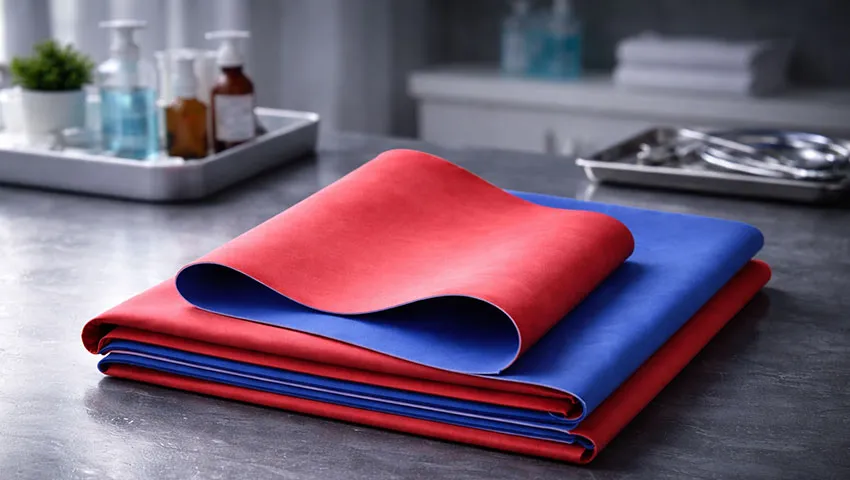
In healthcare facilities, maintaining hygiene and patient safety is paramount. One often overlooked but essential component of hospital hygiene is the type of bed covering used. Beds, trolleys, and examination tables require protective sheets that can prevent contamination, are easy to clean, and provide durability. Two commonly used materials in hospitals are hospital rubber sheets (Mackintosh sheets) and plastic sheets. Both have their advantages, but understanding their differences is crucial for making the right choice for patient care.
Durability and Longevity
One of the key considerations in choosing between hospital rubber sheets and plastic sheets is durability. Hospital rubber sheets are made from high-quality rubber material, making them flexible, tear-resistant, and long-lasting. They can withstand frequent washing, repeated use, and heavy hospital operations without losing their integrity.
Plastic sheets, while inexpensive, tend to be more brittle and prone to tearing, especially with repeated use or movement. They may crack over time, reducing their lifespan and requiring frequent replacements. From a long-term perspective, investing in high-quality rubber sheets can prove more cost-effective because of their durability and reliability.
Comfort and Patient Care
Patient comfort is a crucial aspect of medical care, particularly for long-term patients or those bedridden. Hospital rubber sheets are soft and flexible, providing a comfortable barrier between the patient and the bed. They reduce friction and prevent discomfort or skin irritation. Their smooth surface also allows easy movement of patients during care procedures.
On the other hand, plastic sheets are rigid and can create an uncomfortable, noisy surface. The lack of flexibility can lead to discomfort and may even contribute to minor injuries or pressure points in sensitive patients. For hospitals that prioritize patient comfort alongside hygiene, rubber sheets are generally a better choice.
Hygiene and Infection Control
Maintaining strict hygiene standards is a non-negotiable requirement in medical facilities. Hospital rubber sheets are waterproof and easy to clean, providing a barrier against fluids, bacteria, and pathogens. They do not absorb sweat, blood, or other secretions, which helps in preventing cross-contamination and hospital-acquired infections. They are compatible with disinfectants and cleaning agents, making them suitable for regular sterilization practices.
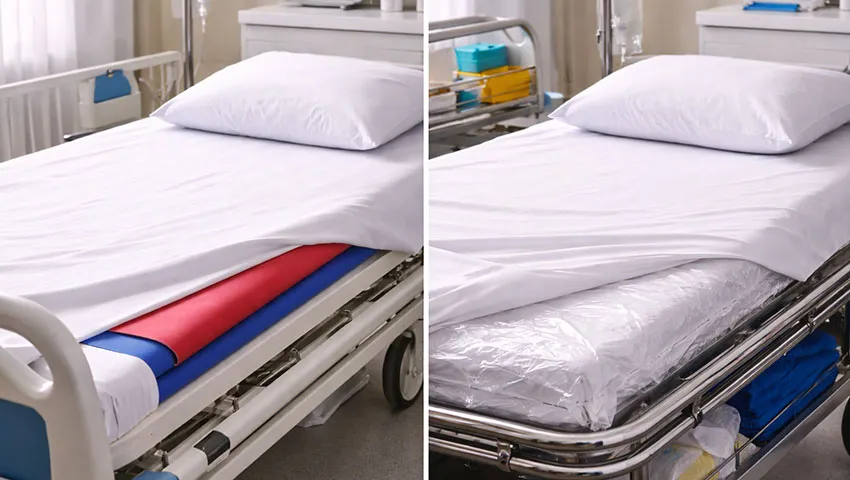
Plastic sheets, while also waterproof, often have seams or wrinkles that can trap bacteria, making them harder to sanitize effectively. Their smooth but rigid surface may not always allow thorough cleaning, potentially compromising infection control in critical environments. In terms of hygiene, rubber sheets offer a safer and more reliable solution for hospitals and clinics.
Safety and Slip Resistance
Hospital rubber sheets offer additional safety features such as anti-slip properties. When properly fitted to beds or trolleys, they remain in place, preventing accidents or patient slippage during movement or care procedures. This stability is especially important in busy hospital wards where patient mobility and staff interventions are frequent.
Plastic sheets can be slippery and may shift during patient handling, increasing the risk of accidents or discomfort. This factor makes rubber sheets a more practical choice for patient safety in high-traffic medical environments.
Cost Considerations
Plastic sheets are generally cheaper upfront compared to high-quality hospital rubber sheets, making them appealing for facilities with tight budgets or temporary use. However, their shorter lifespan and higher likelihood of tearing mean frequent replacements, which can lead to higher long-term costs.
Hospital rubber sheets, though slightly more expensive initially, offer long-term savings due to their durability, hygiene benefits, and compatibility with cleaning protocols. Hospitals investing in rubber sheets often find that the return on investment is higher because of reduced replacements and better patient safety outcomes.
Environmental Impact
Sustainability is becoming increasingly important in healthcare. Hospital rubber sheets are reusable and durable, which reduces waste and contributes to eco-friendly practices. They can be maintained and cleaned multiple times without losing functionality, making them a responsible choice for environmentally conscious institutions.
Plastic sheets, while lightweight, are often single-use or less durable, contributing to more medical waste. Disposal of plastic sheets can have a significant environmental impact, which is a growing concern for hospitals aiming to reduce their carbon footprint.
Versatility and Applications
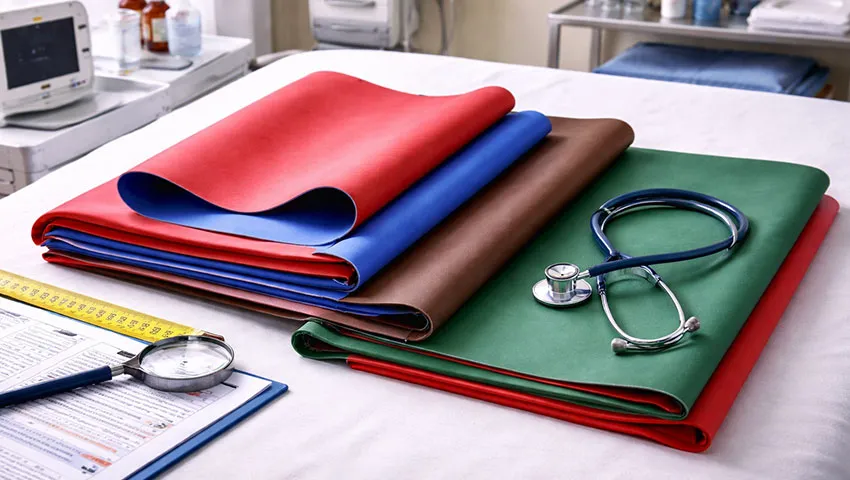
Hospital rubber sheets are highly versatile and can be used in multiple areas, including patient beds, examination tables, labor rooms, operating theaters, and even home care settings. They come in different sizes, thicknesses, and finishes to meet specific needs.
Plastic sheets have limited applications due to their rigidity and lower comfort levels. While they can serve for temporary or short-term purposes, they do not offer the same adaptability as rubber sheets in a professional healthcare environment.
Conclusion
Both hospital rubber sheets and plastic sheets serve protective purposes, but when it comes to long-term use, patient comfort, hygiene, safety, and durability, rubber sheets clearly have the edge. They provide waterproof protection, are easy to sanitize, and enhance patient care, making them indispensable in hospitals, clinics, and healthcare facilities.
For hospitals prioritizing safety, hygiene, and quality care, hospital rubber sheets are the preferred choice over plastic alternatives. They are not just a protective layer—they are an essential part of maintaining a clean, safe, and efficient healthcare environment.